
The Qur’an references Jesus to detail his mission, affirm his prophethood, and correct misconceptions about his divinity and crucifixion.
Continue reading
The name Jesus is mentioned 25 times in the Qur’an, while the title Son of Mary is mentioned 23 times, and the description “Messiah” is mentioned 11 times reflecting the …
Continue reading
The Qur’an holds Adam and Eve equally responsible for their sin and forgiveness, rejecting any sole blame or guilt placed on Eve.
Continue reading
Islam rejects the caste system and inherited hierarchies, defining equality and righteousness as the only true measures of human worth.
Continue reading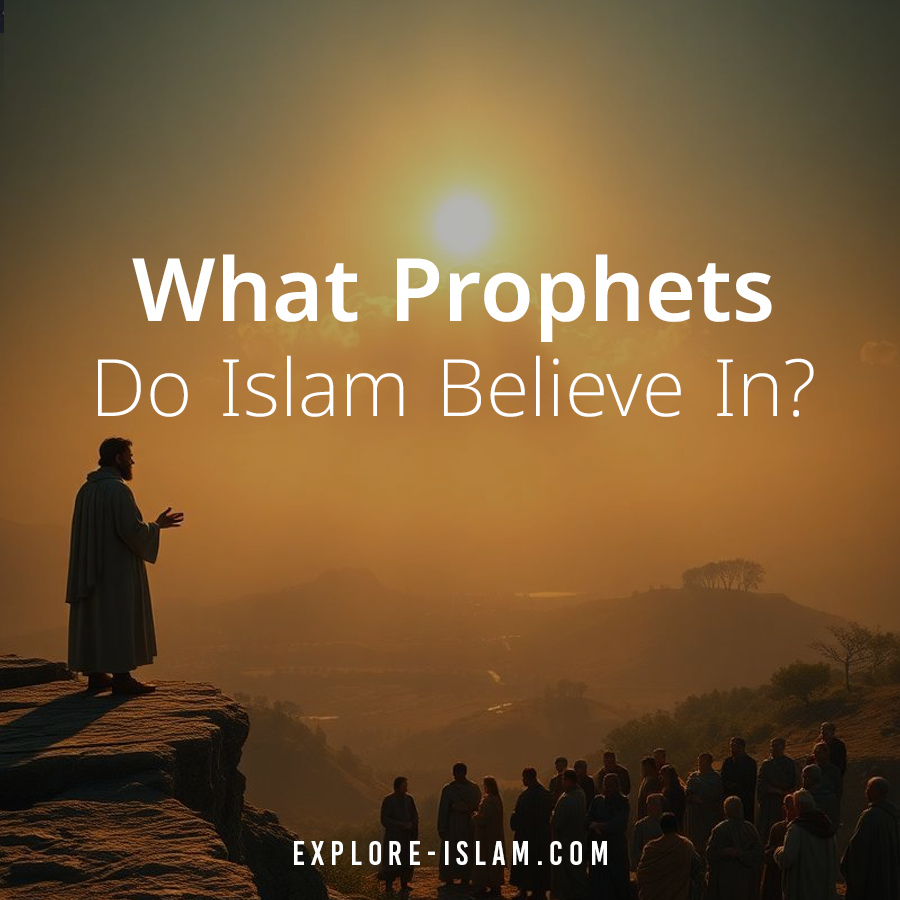
Islam requires belief in all 124,000 prophets sent to preach monotheism, though the Qur’an explicitly names only 25.
Continue reading
Islam views forgiveness as a rewardable virtue reflecting Allah’s mercy, balancing justice with interpersonal pardon to foster inner peace.
Continue reading
Belief in angels—God’s invisible messengers who execute His commands—is a fundamental pillar of faith in Islam.
Continue reading
The text contrasts biblical speaking in tongues with Islam’s conscious, purposeful approach to spiritual connection.
Continue reading
Islam offers a balanced approach to spirituality that harmonizes body and soul through worship and text-based inner growth.
Continue reading
This article explains Islam’s stance on organ donation, outlining the jurisprudential criteria used to determine permitteds.
Continue reading
This article details the Islamic stance against superstitions, offering spiritual alternatives to irrational fears.
Continue reading
This guide summarizes the Quranic narrative of Mary, focusing on her piety and the miraculous birth of Jesus.
Continue reading