
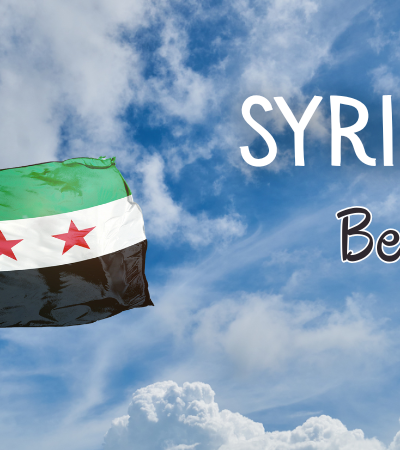
Byzantine Syria’s religious diversity led to resentment due to imperial suppression of non-Orthodox groups.
Continue reading
The article clarifies Islam’s stance on the Old Testament and its view of the People of the Book (Jews and Christians).
Continue reading
Islam rejects Jesus as the son of God, focusing on the belief in one God. The Quran emphasizes this monotheistic principle.
Continue reading
The Quran regards Jesus as a respected prophet, not divine. Islam firmly upholds monotheism, rejecting the idea of Jesus’ divinity.
Continue reading
The text argues Islam is the only uncorrupted divine guidance, contrasting it with Hinduism, Buddhism, and Christianity.
Continue reading
Prophet Abraham is a figure shared by Islam and Judaism; both respect him, but their scriptural interpretations differ.
Continue reading
Abraham is a key figure in Islam, symbolizing unwavering faith in one God. His story is essential to understand the core of Islamic belief.
Continue reading
Islam and Judaism share many core beliefs, including the worship of one God, belief in prophets like Abraham and Moses, and the importance of moral conduct, charity, and religious law. Learn more about Islam and Judaism similarities!
Continue reading
Far from being opposing faiths, their teachings reveal common ground that is often overlooked. Learn more about similarities between Islam and Christianity.
Continue reading
Abraham is a significant figure in both Islam and Christianity, though their views on his life and mission differ.
Continue reading
Muslims believe in the original scriptures but see the Quran as the final revelation. Islam continues the faith of earlier prophets.
Continue reading
Islam believes Jesus was saved from crucifixion, with another person resembling him being crucified instead.
Continue reading