
Islam emphasizes education as a sacred duty for all, regardless of gender. The notion that it opposes women’s education is a misconception.
Continue reading
This guide compares Islam and Christianity, highlighting similarities and differences in their views on Jesus and the Bible.
Continue reading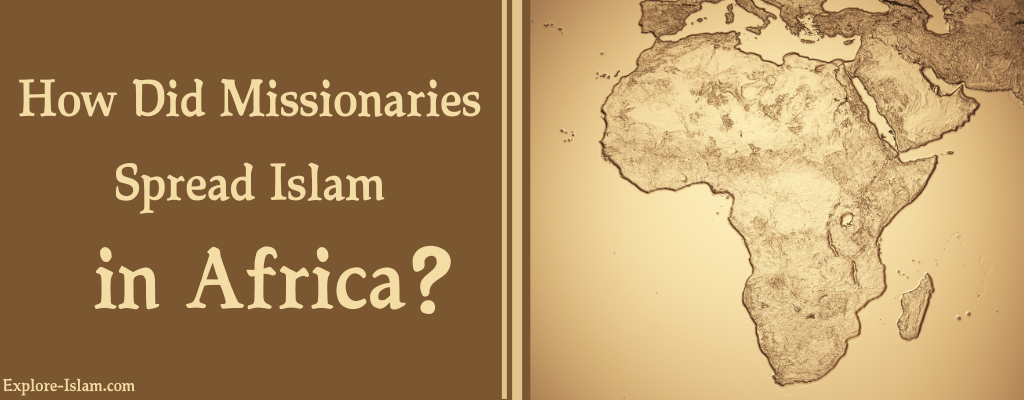
Islam spread in Africa through trade and cultural exchange. African rulers adopted the faith, spreading its influence.
Continue reading
The main difference between the spread of Christianity and Islam lies in their methods: Christianity often expanded through political coercion and military campaigns, like the Crusades, while Islam largely grew …
Continue reading
Islam spread in India through conquests and peaceful methods like trade and preaching. Muslim rulers and intermarriages helped its growth.
Continue reading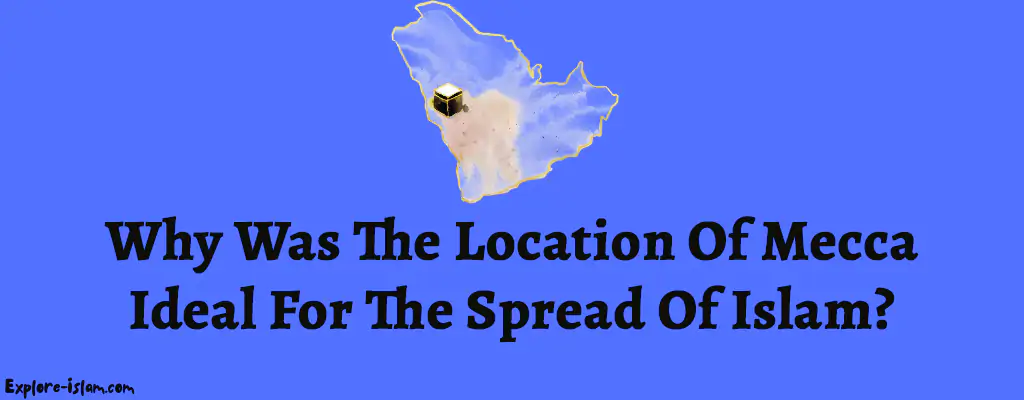
After Mecca’s conquest, Islam united the Arabs, replacing tribal divisions with collective unity, allowing rapid expansion.
Continue reading
Islam limited slavery and regulated the relationship between slaves and masters, ensuring fairness and dignity.
Continue reading
This article discusses Quranic verses on the spiritual equality of men and women and clarifies two misunderstood verses.
Continue reading
This article explores why women embrace Islam, focusing on pre-Islamic conditions and their relevance today.
Continue reading
This text discusses the major denominations and branches of Islam, highlighting differences between Sunni and Shia.
Continue reading
Islam: One God (Allah), Quran, Prophet Muhammad. Five Pillars: Faith, prayer, charity, fasting, pilgrimage.
Continue reading
Learn how the spread of Islam through trade connected diverse regions, sharing Islamic teachings, ethical business practices, and fostering cultural exchanges.
Continue reading