
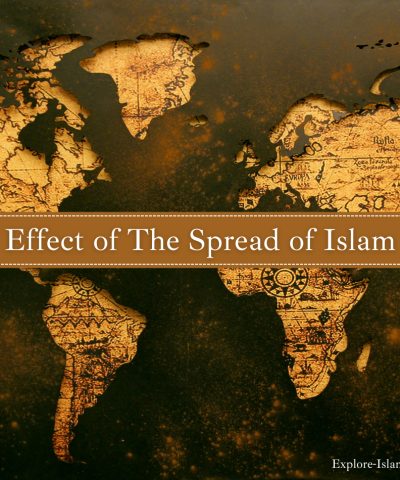
The spread of Islam shaped various aspects of life, including culture and economy. This article highlights its historical impact.
Continue reading
The wives of Prophet Muhammad (PBUH) are referred to in the Quran as “wives of the Prophet,” without naming them directly. They are addressed in chapters Al-Ahzab and At-Tahrim, where their roles, choices, and responsibilities are discussed. Learn more about Prophet’s wives in the Quran!
Continue reading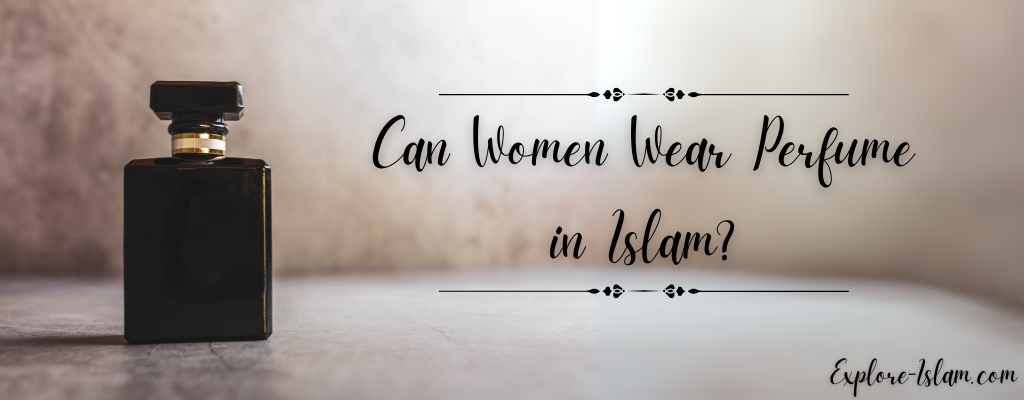
Islam allows women to wear perfume at home, especially for their husbands. However, wearing perfume in public it is prohibited .
Continue reading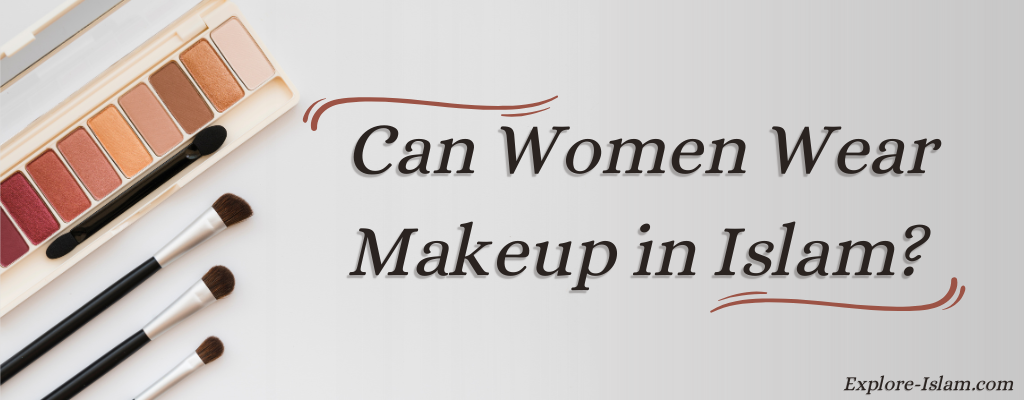
Islam sees beauty as a divine blessing, promoting a balanced approach to self-care and adornment that upholds modesty and dignity.
Continue reading
Islam rejects astrology and zodiac signs for predicting the future or character. It conflicts with core Islamic teachings.
Continue reading
In Islam, marriage is not just a societal norm but an act of worship (Ibadah). It is viewed as a form of devotion to Allah.
Continue reading
Muslims believe in the original scriptures but see the Quran as the final revelation. Islam continues the faith of earlier prophets.
Continue reading
Islam guides interactions between men and women with emphasis on modesty, respect, and boundaries, rather than complete isolation.
Continue reading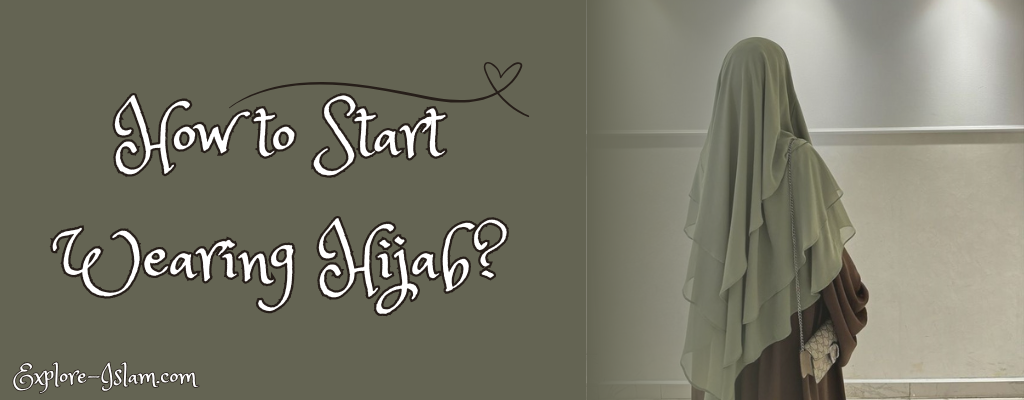
Let’s take advantage of the introduction to go over some fundamental ideas again: the hijab is more than just a piece of cloth; it’s an act of worship, a declaration …
Continue reading
Islam emphasizes fairness and complementary roles between men and women, rather than absolute equality or sameness.
Continue reading
This question of beating wives in Islam often arises from a specific verse in the Qur’an, sparking heated debates and leading to widespread misconceptions about Islamic teachings on gender relations.
Continue reading
Leading prayer in Islam has great significance and rewards. Can women serve as Imams and lead congregational prayers?
Continue reading