
Rajab is a sacred month serving as the spiritual gateway to Ramadan, offering increased rewards and requiring authentic worship.
Continue reading
Shaban is a virtuous, serving as a spiritual bridge to Ramadan. It is a key period for preparation based on authentic scholarship.
Continue reading
In Islam, Jesus is a revered prophet, born of Mary, and is not divine. He was raised to heaven, and will return before the Day of Judgment.
Continue reading
Islam considers Jesus a prophet, not God’s son. Jesus preached monotheism and good morals, not part of a divine Trinity.
Continue reading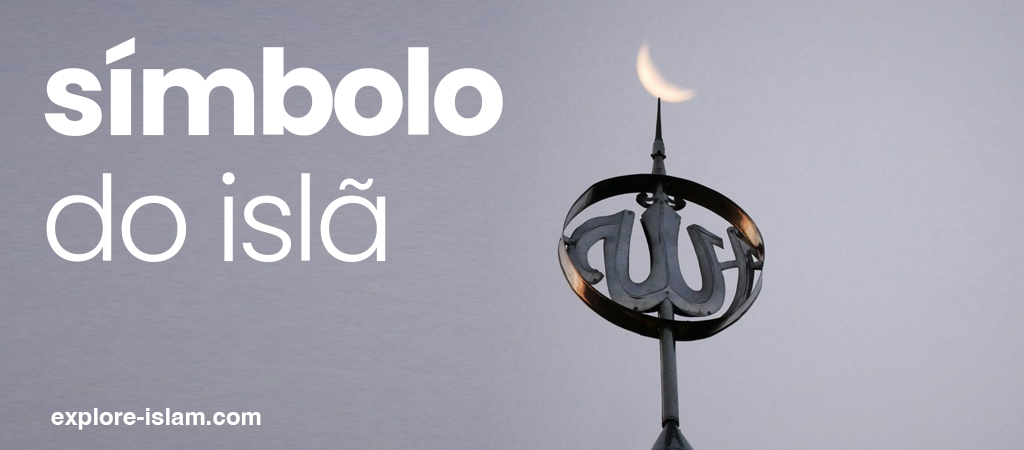
O Islã foca no monoteísmo, sem símbolo oficial como o crescente. O artigo refuta a adoração à lua, esclarecendo o foco espiritual da fé.
Continue reading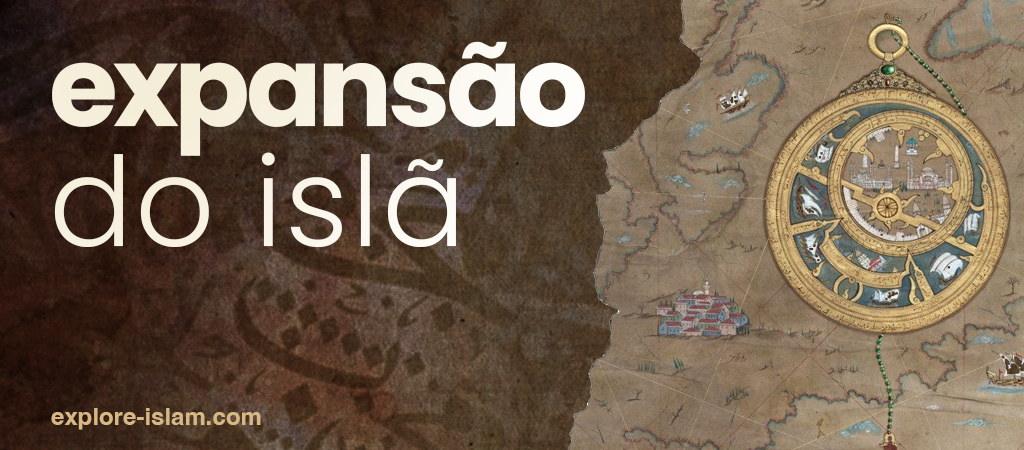
A disseminação do Islã ocorreu por Da’wah, comércio e educação. Este artigo visa clarificar o seu crescimento e fatores de adoção.
Continue reading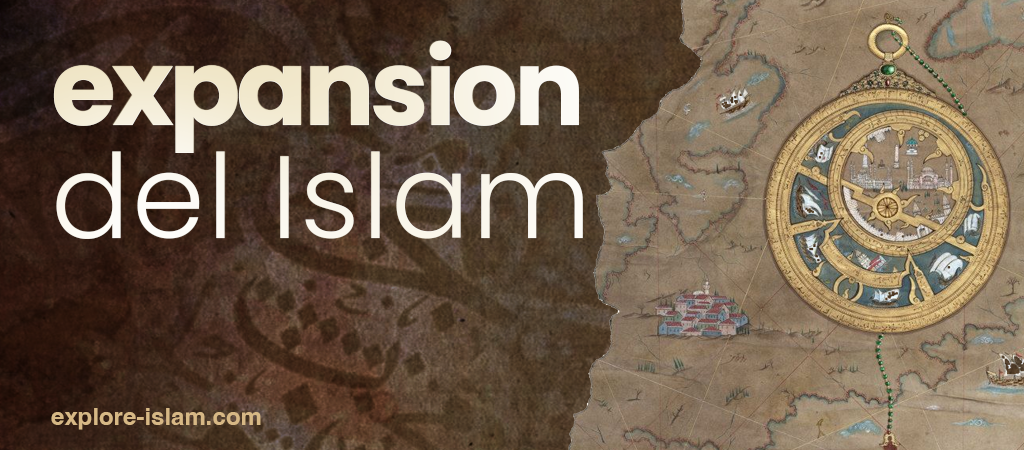
La difusión del Islam fue impulsada por la Da’wah, el comercio y la educación. Este artículo busca aclarar su auge.
Continue reading
Menstruation is a natural Islamic state that creates temporary ritual impurity (not moral fault), restricting specific formal worship.
Continue reading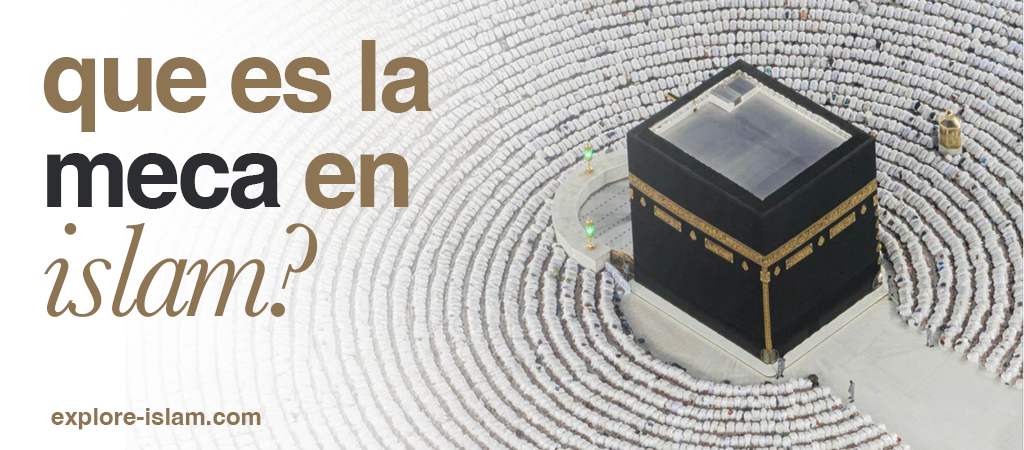
El Islam, unificó a los árabes dispersos en una comunidad cohesionada, superando los lazos tribales y extendiendo rápidamente su llamado.
Continue reading
Islam defines salvation as personal accountability and the result of a direct relationship with God, starting from a state of natural purity.
Continue reading
The Qur’an serves as the final authority to confirm and purify the original Ten Commandments by correcting human alterations.
Continue reading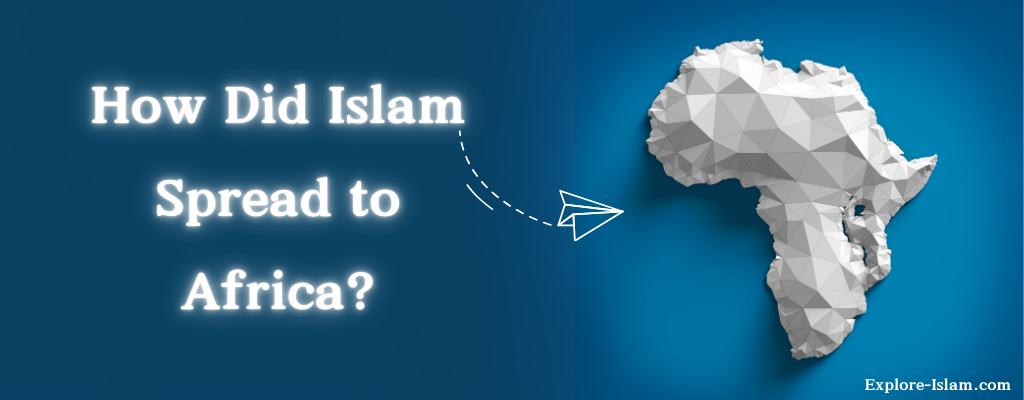
Islam spread across Africa via trade and moral appeal, using values like justice and tolerance to drive long-term cultural growth.
Continue reading