Is hijab mandatory for Muslim women? Is it oppression or a divine protection for women? When comparing realities, the difference is striking—for example, reports show that harassment in public transportation in France reaches nearly 100%, while such issues are far less widespread in Muslim countries where hijab is observed.
As a Muslim woman, I am proud of hijab. It is not just a piece of cloth, but a divine obligation that combines the pursuit of Allah’s satisfaction, countless rewards for consistent practice, and a powerful shield of protection.
In Islam, hijab is a comprehensive concept that goes beyond covering the body. True hijab begins with the inner beauty of the soul through submission to Allah, lowering the gaze, guarding chastity, and avoiding unnecessary free mixing with non-mahram men. This article explores the ruling of hijab in the light of Quranic verses, sheds light on the wisdom mentioned in these verses, and discusses the different terms referring to the hijab concept—hijab, khimar, and jilbab—as well as the conditions for proper hijab.
Let’s dive deeper into the meaning, wisdom, and purpose of hijab in Islam!
Is hijab mandatory for Muslim women?
Yes, the four major Sunni schools of Islamic thought (Hanafi, Shafi’i, Maliki, and Hanbali) unanimously agree that hijab is obligatory for Muslim women. This includes covering the whole body (hair, neck, and chest) in the presence of men other than close family members (fathers, brothers, uncles, etc.), except for the face and hands—on which Muslim scholars differ regarding the obligation of coverage.
Evidence That Hijab Is mandatory
Let’s examine a selection of Islamic authentic texts proving the obligation of hijab and illustrating its concept:
1. Quranic Order of Hijab for Muslim Women as Protection from Harassment
Many Quranic verses highlight the obligation of hijab and its legitimacy. Almighty God directs Prophet Muhammad ﷺ in the Quran to ask his wives, daughters, and believing women to wear hijab through covering their bodies in a way that properly hides their beauty as a means of protection:
“O Prophet! Ask your wives, daughters, and believing women to draw their cloaks over their bodies. In this way it is more likely that they will be recognized ˹as virtuous˺ and not be harassed.”
The verse highlights that the reason for hijab is protection for Muslim women from harassment, a symptom widely spread among non-hijabi women and societies.
Reacting to this divine order, the early Muslim women obeyed, as mentioned in the following narration:
“When the verse ‘That they should cast their outer garments over their persons’ was revealed, the women of Ansar came out as if they had crows over their heads by wearing outer garments.”
2. The Quran Orders Muslim Women to Cover Their Adornments and Chests and Take Precautionary Steps
The Quran gives a detailed account of the full concept of hijab for Muslim women, asking them to lower their gaze, guard their chastity, and hide their natural and external charms such as jewelry, makeup, or attractive clothes.
Following a Quranic verse directed to men to lower their gaze and guard their chastity, the Quran details a group of commands for Muslim women as part of a full concept of a chaste society that is healthy for both men and women:
“…and not to reveal their adornments except what normally appears. Let them draw their veils over their chests.”
The exception in the verse “what normally appears” refers to outer appearance and what appears out of necessity. Some Muslim scholars include the face and hands under this category, while others do not.
3. Islam Forbids Women from Illegitimate Display and Unnecessary Mixing
The Quran asks Muslim women to go out only for legitimate reasons such as education or visiting relatives, closing the door to unnecessary interactions between men and women with their negative consequences. Almighty God clarifies this meaning in the following verse:
“Settle in your homes, and do not display yourselves as women did in the days of ˹pre-Islamic˺ ignorance.”
Mujahid, a famous Muslim exegete, interprets the “days of pre-Islamic ignorance” as a time when women went out of their homes mixed with men. Muqatil, another exegete, interprets it as the behavior of women who wore loose veils over their heads that were not properly tightened to cover their necks [though they covered the rest of their bodies].
4. The Literal Term Hijab in the Quran Refers to Barriers Between Men and Women
Besides referring to hijab as protective clothing, the Quran uses the literal word hijab to mean a barrier between men and women—an accepted usage in the Arabic language and suitable to the context. When the Quran instructs the believers to deal with the Prophet’s wives, they were asked to do so from behind a barrier for the purity of hearts. Almighty God says:
“And when you ˹believers˺ ask his [Prophet’s] wives for something, ask them from behind a barrier. This is purer for your hearts and theirs.”
Though some Muslim scholars restrict this ruling to the Prophet’s wives due to the Prophet’s special position, the wisdom of keeping hearts pure, mentioned as the reason for the ruling, can apply to dealings between men and women in general.
5. Authentic Narrations of Early Muslim Women Prove the Legitimacy of Hijab Including the Face
The early Muslim women, including the Prophet’s wives and the wives of his companions, practiced hijab as they understood it from the Quran. The following are examples:
- Aisha, Prophet Muhammad’s wife, in her long narration about the story of clarifying the fabrication against her, described her reaction once seeing an unrelated man saying: “I covered my face with my garment.” (Sahih al-Bukhari)
- Fatimah bint al-Munthir described the behavior of Muslim women during pilgrimage, saying: “We used to veil our faces when we were in ihram in the company of Asma bint Abi Bakr as-Siddiq.” (Sahih: Muwatta Malik)
Muslim scholars agreed on the legitimacy of covering the face as part of the concept of hijab. However, they differ on the degree of its ruling—whether it is an obligation or a recommended act of worship—based on many criteria, including the age of the woman, the level of religious commitment in societies, and the understanding of the full account of authentic texts related to hijab in Islamic traditions.
To sum up, by examining the Quranic verses and authentic traditions, it is clear that hijab is mandatory for Muslim women. It involves covering the body and restricting interaction between men and women in a way that protects modesty, prevents harassment, and safeguards society from corruption that can lead to adultery and other immoral consequences.
What Is the Importance of Wearing Hijab by Muslim Women?
Muslim women benefit greatly from wearing the hijab. The purpose of hijab in Islam is to spread chastity, faith, and virtue. It serves as a distinction between purity and impurity and ensures that a woman’s beauty and ornaments are not exposed to strangers or non-mahram men. In this way, hijab protects women from harassment and disrespectful comments, while also protecting men from falling into temptation or unlawful acts.
The Islamic hijab safeguards modesty, dignity, and honor for both men and women. Islam sets rules of behavior and appearance for both genders in social interactions, ensuring respect and decency in all aspects of life.
Criteria for the Muslim Woman’s Hijab
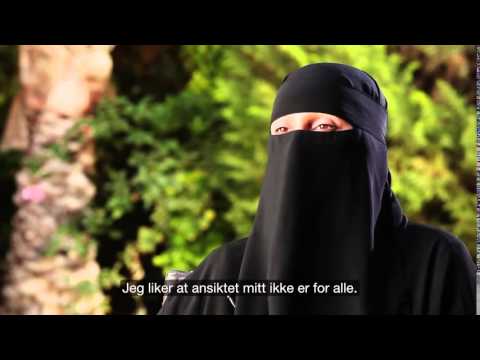
Islamic teachings define clear criteria for the hijab that Muslim women should observe. By consensus, hijab must cover the entire body except for the face and hands up to the wrists, where scholars differ regarding whether covering is obligatory. If a woman chooses to cover her face and hands, it is considered a recommended act of worship and devotion.
To fulfill the requirements of modest Islamic dress, a Muslim woman’s clothing should meet the following conditions:
- Loose-fitting – the clothes should not be tight or reveal the shape of the body.
- Opaque and non-revealing – the fabric should not be transparent or decorated in a way that attracts attention.
- Distinct from men’s clothing – a woman’s attire should not resemble the dress of men.
- Not imitating non-Muslims – the clothes should not resemble the dress or religious symbols of non-Muslims.
Within these boundaries, a Muslim woman has the freedom to wear whatever she prefers, as long as her dress complies with the Islamic dress code.
Conclusion
In short, when a Muslim woman wears the hijab, she is fulfilling Allah’s command and will be rewarded both in this life and the Hereafter. Those who reject this obligation, however, are turning away from Allah’s guidance. Allah reminds us in the Quran:
“O children of Adam! We have provided for you clothing to cover your nakedness and as an adornment. However, the best clothing is righteousness.”
This article has discussed the following key points:
- Islamic texts proving the obligation of hijab: Quranic verses combined with the traditions and behaviors of early Muslim women clearly establish hijab as a divine command.
- The wisdom and benefits of hijab: beyond submission to Allah, hijab protects Muslim women from harassment, safeguards modesty, and helps keep the hearts of both men and women pure.
- Criteria for the Muslim woman’s hijab: proper hijab must be loose, opaque, non-ornamental, and not resembling men’s clothing or attire specific to non-Muslims.
Curious to know more about how Islam honors women and why the majority of new Muslim converts in the West are women? Explore our new articles about women in Islam by subscribing to our newsletter, and start a WhatsApp conversation with our team today!