Did you know that you could have the best daily routine to follow and it’s from the best person ever walked on this earth: Prophet Muhammad. Allah advised us to take him as our role model as he was the best of character and he was a walking Quran on earth.
“Indeed in the Messenger of Allâh (Muhammad صلى الله عليه وسلم) you have a good example to follow for him who hopes for (the Meeting with) Allâh and the Last Day, and remembers Allâh much.”
His way of life, the Sunnah, is our example of how to live our lives fully
“And whosoever obeys Allâh and His Messenger (صلى الله عليه وسلم), he has indeed achieved a great achievement (i.e. he will be saved from the Hell-fire and will be admitted to Paradise).”
But first let’s keep in mind that prophet Muhammad daily routine was not fixed but rather flexible and may vary according to the time, priorities and the situation that He (may Allah be pleased with him) was in.
Summary
The Prophet Muhammad daily routine was a flexible, prayer-centered way of life that balanced worship, work, family responsibilities, self-care, and service to others. His day revolved around the five daily prayers, voluntary acts of worship, remembrance of Allah, teaching Islam, helping the community, earning a living through honest work, and caring for his family. The routine also included healthy habits such as moderation in eating, regular fasting, using the siwak, and maintaining beneficial sleep patterns. Overall, Prophet Muhammad’s daily life demonstrates a practical model of faith, productivity, compassion, discipline, and consistent good deeds.
Worship in Prophet Muhammed daily routine before and after revelation
prophet Muhammad daily routine regarding worship has always been monotheist, he never bowed or worshipped idols , He used to reflect upon the creations of the heavens and the earth, and he used to isolate himself to worship God that he truly wanted to know and this was where his first revelation sent to him.
Narrated Aisha: (the wife of the Prophet) The commencement (of the Divine Inspiration) to Allah’s Messenger (ﷺ) was in the form of true dreams in his sleep, for he never had a dream but it turned out to be true and clear as the bright daylight. Then he began to like seclusions, so he used to go in seclusion in the cave of Hira where he used to worship Allah continuously for many nights before going back to his family to take the necessary provision (of food) for the stay. He come back to (his wife) Khadija again to take his provision (of food) likewise, till one day he received the Guidance while he was in the cave of Hira.
Read more: How Did Prophet Muhammad Start Spreading His Message About Islam?
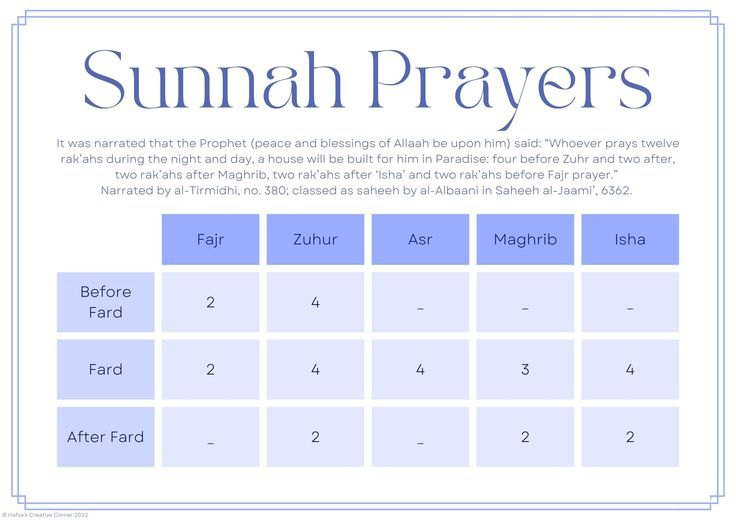
After revelation his prayers changed to be the 5 obligatory daily prayers which is a part and a daily routine to every muslim, the 12 rakah (Sunnah or Nafl) prayers and night prayers.
It was narrated that ‘Aishah said: “The Messenger of Allah (ﷺ) said: ‘Whoever persists in performing twelve Rak’ah from the Sunnah, a house will be built for him in Paradise: four before the Zuhr, two Rak’ah after Zuhr, two Rak’ah after Maghrib, two Rak’ah after the ‘Isha’ and two Rak’ah before Fajr.’”
Prayer is not the only worship in Islam , there is also fasting, pilgrimage, zakah (giving to the poor) and others. But Prophet Muhammad’s daily life revolved around prayer times.
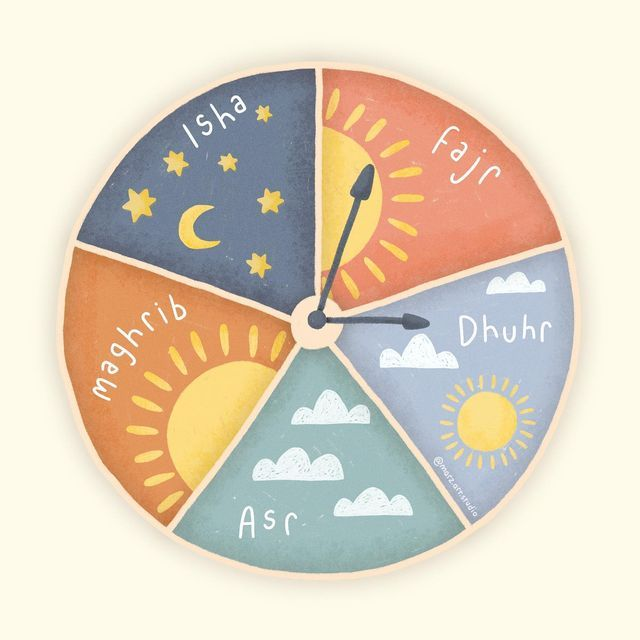
Prophet Muhammed routine of the day revolving around prayer times
Read more: Can Prayer (Salat) Change Your Life?
Between Maghreb and Isha Prayer is the initial portion of Prophet Muhammad’s day
This period of time is considered the 1st part of the new day according to many Islamic scholars. Among the prophet Muhammad daily routine is performing maghreb in congregation in mosque and it is advised to always pray on time as this is a beloved deed to Allah. And used to pray the Nafl (voluntary) prayer at home.
Whether the prophet is fasting or not, mostly his meals were around maghreb time.
This time of the day involved teaching the religion and helping the community which was always part of His daily routine but as we mentioned these activities may differ in the time performed.
At night time Prophet Muhammed prays Isha in congregation and its sunnah prayer.
prophet Muhammad would sleep after aisha prayer and he was known that he did not talk much after Isha prayer with some exceptions like important gatherings or good deeds
Narrated Abu Barza: Allah’s Messenger (ﷺ) disliked to sleep before the `Isha’ prayer and to talk after it.
He would sometimes pray Witr before going to sleep. He would sleep right early after Isha prayer but would sometimes sleep in the middle of the night staying up with his family members whenever it’s necessary.
Night Prayer is an essential part of Prophet Muhammad’s routine
prophet Muhammad would wake up to pray the night prayers in his home, he used to pray night prayer everyday it just differs in the number of rakaat he prayed or when whether the first part of the night or the last …, so there was flexibility in the night prayer, and when the call for fajr came, he would pray with his companions and stay till sunrise remembering Allah and reciting morning remembrance.
Fajr Prayer signifies a crucial point of Prophetic worship and routine
‘A’isha reported Allah’s Messenger as saying: The two rak’ahs at dawn are better than this world and what it contains.
Prophet Mouhammed in this period prays the Voluntary prayer of two rakat before Fajr and the Fajr prayer in congregation. And would stay remembering Allah by saying the invocations of the mornings like “We have entered the morning and at this very time the whole kingdom belongs to Allah. All praise is due to Allah. There is no god worthy of worship except Allah, the One; He has no partner with Him. The entire kingdom belongs solely to Him, to Him is all praise due, and He is All-Powerful over everything. My Lord, I ask You for the good that is in this day and the good that follows it, and I seek Your protection from the evil that is in this day and from the evil that follows it. My Lord, I seek Your protection from laziness and the misery of old age. My Lord, I seek Your protection from the torment of the Hell-fire and the punishment of the grave.” and Stays in the mosque until sunrise
Early mornings tend to be more productive and blessed as It was narrated from Sakhr Al-Ghamidi that the Messenger of Allah (ﷺ) said:
“O Allah, bless my nation in their early mornings (i.e., what they do early in the morning).” (Hasan)He said: “When he sent out a raiding party or an army, he would send them at the beginning of the day.” He said: (1) “Sakhr was a man engaged in trade, and he used to send his goods out at the beginning of the day, and his wealth grew and increased.”
This period of time of prophet Muhammed daily routine may include learning , trading , going for jihad.
Eating dates in the early morning as Allah’s Messenger (ﷺ) said,
“He who eats seven ‘Ajwa dates every morning, will not be affected by poison or magic on the day he eats them.”
Then he would pray the Doha prayer, Abu Dharr reported God’s Messenger as saying,
“In the morning alms are due from every bone in a man’s fingers and toes. Every utterance of ‘Glory be to God’ is alms; every utterance of ‘Praise be to God’ is alms; every utterance of ‘There is no god but God’ is alms; every utterance of ‘God is most great’ is alms; enjoining good is alms; forbidding what is disreputable is alms; and two rak’as which one prays in the forenoon serve instead of that.”
When Aisha was asked how many rakat Prophet Muhammad prayed she said: The Messenger of Allah (blessings and peace of Allah be upon him) used to pray Duha with four Rak`ahs, and he would add whatever Allah willed.
Time between Duhr and Maghreb Prayer in Prophet Muhammad day
Praying Duhr prayer and its sunnah.
Around the duhr payer prophet Muhammad would take his nap , Anas said,
“Um Sulaim used to spread a leather sheet for the Prophet (ﷺ) and he used to take a midday nap on that leather sheet at her home.” and then after Asr prayer, He would pass by his wives.
Throughout his life you can notice there were always certain activities he would always do but how it was done changed by time and after the revelation of the Quran.
And He was always keen on doing good deeds even in small amounts , Narrated `Aisha: The Prophet (ﷺ) was asked,
“What deeds are loved most by Allah?” He said, “The most regular constant deeds even though they may be few.” He added, “Don’t take upon yourselves, except the deeds which are within your ability.”
Work is a major part of Prophet’s Muhammed life
Work is part of our daily lives and sure it was for prophet Muhammad and he never surrendered himself to laziness as he would always pray:
“O Allah! I seek refuge with You from helplessness, laziness, cowardice and feeble old age; I seek refuge with You from afflictions of life and death and seek refuge with You from the punishment in the grave.”
The Prophet (ﷺ) initially worked as a shepherd like most prophets did; The Prophet (ﷺ) said,
“Allah did not send any prophet but shepherded sheep.” His companions asked him, “Did you do the same?” The Prophet (ﷺ) replied, “Yes, I used to shepherd the sheep of the people of Mecca for some Qirats.”
Then he became a trader with his uncle and later with his wife Khadija and after Islam he was the leader of the islamic nation.
Prophet Muhammad used to encourage people to work and seek provision; The Prophet (ﷺ) said,
“Nobody has ever eaten a better meal than that which one has earned by working with one’s own hands. The Prophet (ﷺ) of Allah, David used to eat from the earnings of his manual labor.”
The Prophet (p.b.u.h) said, “It is better for anyone of you to take a rope (and cut) and bring a bundle of wood (from the forest) over his back and sell it and Allah will save his face (from the Hell-Fire) because of that, rather than to ask the people who may give him or not.”
Prophet’s Muhammed care for Religion and People
Among prophet Muhammad daily routine as well was caring for people and that has always been the case even before revelation was sent to him. He was known for being the most truthful and trustworthy.
When the Angel came for the first time, Prophet Muhammed feared him and then he came upon Khadija (his wife) and said,
“Cover me!” They covered him, and when the state of fear was over, he said to Khadija, “O Khadija! What is wrong with me? I was afraid that something bad might happen to me.” Then he told her the story.
Khadija said, “Nay! But receive the good tidings! By Allah, Allah will never disgrace you, for by Allah, you keep good relations with your Kith and kin, speak the truth, help the poor and the destitute, entertain your guests generously and assist those who are stricken with calamities.”
So this proves that even before Islam was revealed his day was involved with people, there was even a dispute over who would put the stone back to the kaabah, by Allah’s will he was chosen and the people followed his fair judgment.
part of prophet Muhammad daily routine was to care for people and even more after revelation because it was his duty to deliver the message to the people and to guide them to the path by God’s will, you will always find him teaching the companions lessons and guiding them through his example and even in the markets He would check muslim affairs and he would be counseled if there are any disputes.
Doing house chores and serving his family as narrated Al-Aswad: That he asked `Aisha “What did the Prophet (ﷺ) use to do in his house?” She replied, “He used to keep himself busy serving his family and when it was the time for prayer he would go for it.”
Self-care and Health daily routine of Prophet Muhammed
prophet Muhammad daily routine of selfcare included:
- Sawak which is a natural tooth brush and he always had and used it. Allah’s Messenger (ﷺ) said, “I have told you repeatedly to use the Siwak. (The Prophet (ﷺ) put emphasis on the use of the Siwak.)
- Fasting more days besides fasting the month of Ramadan and other voluntary days that we know. Most of the time when there was no food at home , he decided to fast the rest of the day.
Eating habits
He would eat food to only give him energy and not to the extent of being full. Messenger of Allah (ﷺ) say:
“No man fills a container worse than his stomach. A few morsels that keep his back upright are sufficient for him. If he has to, then he should keep one-third for food, one-third for drink and one-third for his breathing.”
Sleeping habits
He would sleep after aisha prayer, reciting sleeping remembrances. Prophet Muhammad sleeping position was on his right side and his right hand under his cheek.
Learn more about Prophet Muhammad with Explore Islam
Explore Islam provides updates and authentic articles about different aspects of Prophet Muhammad’s life and free downloadable e-books helping truth seekers to discover more.
Subscribe to the Explore Islam newsletter to learn more about Islam !
Conclusion
We can conclude by Abdullah ibn Abi Awfa narration :
“The Messenger of Allah (peace and blessings be upon him) used to engage frequently in remembrance of Allah, speak little idle talk, lengthen his prayers, shorten his sermons, and he would not disdain to walk with a widow or a poor person to fulfill their needs.” Authenticated by Al-Albani in “Sahih An-Nasa’i”.
FAQs
What was Prophet Muhammad’s daily routine?
Prophet Muhammad’s daily routine revolved around the five daily prayers, worship, caring for family, teaching Islam, serving the community, and earning a livelihood. His schedule was flexible rather than rigid, adapting to circumstances while consistently prioritizing prayer, remembrance of Allah, good character, and helping others.
Why is Prophet Muhammad’s daily routine important for Muslims?
Prophet Muhammad’s daily routine is important because Muslims view him as the best example of how to live according to Islam. His Sunnah provides practical guidance on balancing worship, work, family responsibilities, self-care, and community service while maintaining strong faith and moral character.
How did Prophet Muhammad begin and end his day?
Prophet Muhammad typically ended his day after the Isha prayer, often sleeping early and reciting supplications before sleep. He began his day before dawn with voluntary prayers, the Fajr prayer, remembrance of Allah, and morning supplications. He often remained engaged in worship and reflection during the early morning hours.
What role did prayer play in Prophet Muhammad’s daily life?
Prayer was the central pillar of Prophet Muhammad’s daily routine. His activities were organized around the five obligatory prayers, along with voluntary prayers such as Sunnah prayers, Witr, Duha, and night prayers. Prayer served as a foundation for worship, spiritual growth, and daily discipline.
Did Prophet Muhammad work and earn a living?
Yes, Prophet Muhammad actively worked throughout his life. Before prophethood, he worked as a shepherd and later as a trader. Islam encourages lawful work and self-sufficiency, and Prophet Muhammad taught that earning through honest labor is among the best ways to obtain sustenance.
How did Prophet Muhammad balance family life and religious duties?
Prophet Muhammad balanced family life and religious responsibilities by serving his family, helping with household tasks, and spending time with his wives while remaining committed to worship and teaching. His example demonstrates that devotion to Allah and care for family are complementary, not competing, responsibilities.
What self-care habits were part of Prophet Muhammad’s daily routine?
Prophet Muhammad practiced several healthy habits, including using the siwak for oral hygiene, fasting regularly, eating moderately, sleeping early when possible, and maintaining a balanced lifestyle. He emphasized avoiding excess in food and encouraged habits that supported both physical and spiritual well-being.
What did Prophet Muhammad do during the night?
During the night, Prophet Muhammad frequently performed voluntary night prayers (Qiyam al-Layl or Tahajjud), engaged in remembrance of Allah, and made supplications. The timing and length of these prayers varied, showing flexibility while maintaining a consistent commitment to worship and spiritual reflection.
How did Prophet Muhammad serve his community every day?
Prophet Muhammad dedicated significant time to teaching Islam, advising people, resolving disputes, helping those in need, and strengthening social relationships. He regularly interacted with the community, cared for the poor and vulnerable, and guided people through both his words and personal example.
What lessons can Muslims learn from Prophet Muhammad’s daily routine?
Muslims can learn the importance of balancing worship, work, family, health, and service to others. Prophet Muhammad’s daily routine highlights consistency in good deeds, effective time management, spiritual discipline, compassion, and living a purposeful life centered on faith and beneficial actions.