What is Qurbani in Islam is a key question that explains one of the most important acts of worship performed during Eid al-Adha. Qurbani refers to the ritual animal sacrifice carried out by Muslims as an expression of devotion, submission, and gratitude to Allah. It highlights the great sacrifice of Prophet Ibrahim and reflects deep spiritual values such as obedience, charity, and compassion. Beyond being a ritual, Qurbani is closely connected to ethical treatment of animals and the duty of sharing with the poor and needy, making it a comprehensive act of worship in Islam.
This guide goes through the meaning of Qurbani in Islam, highlighting that it is more than just animal slaughter. It also discusses its importance, timing, conditions, and the different rulings and cases related to it, providing a clear and practical understanding of this significant act of worship.
What is Qurbani: animal sacrifice in Islam in Eid al-Adha
Qurbani is the sacrifice that Muslims offer as a form of worship to Allah during Eid al-Adha. Linguistically, the word Qurbani means “something given to draw near,” referring to an act performed to seek closeness and acceptance from Allah.
In Islamic context, Qurbani is specifically associated with the sacrifice of an animal for the sake of Allah (the One True God), as an expression of devotion, gratitude, and submission to Him. It is not merely a ritual act, but a meaningful form of worship that reflects the believer’s willingness to obey and please Allah.
Qurbani also symbolizes self-discipline and sacrifice. The believer spends wealth to purchase the animal, dedicates time and care in selecting it, and then shares its meat—especially with those in need.
Ultimately, Qurbani is a practical expression of faith, showing that true devotion to the Creator involves sacrifice of wealth, comfort, and personal attachment for the sake of Allah’s pleasure.
Read also: Islamic way of slaughtering animals
Importance of Animal Sacrifice in Islam
Animal sacrifice in Islam combines submission to Allah with generosity, gratitude, and care for others:
- The main purpose of animal sacrifice in Islam is submission to Allah and complete obedience to His command. It is an act of worship that reflects the believer’s willingness to put Allah first above personal desires, wealth, and attachment. Through Qurbani, Muslims express that true faith is shown through surrender to the will of the Creator.
As the Quran states:
“It is not their meat nor their blood that reaches Allah; it is your piety that reaches Him.”
- Qurbani also promotes sharing and compassion, especially by distributing meat to the poor and needy, ensuring that blessings are extended within society.
The Prophet Muhammad (PBUH) further emphasized kindness and social responsibility, saying:
“O people, exchange greetings of peace, feed people, strengthen the ties of kinship, and pray at night while others are asleep, you will enter Paradise in peace.”
Read also:
At What Age is Qurbani Farz?
Qurbani does not depend on a fixed age number, but on reaching adulthood (bulugh) and having the financial ability to perform it. In Islam, adulthood is determined by physical and biological signs of maturity for both males and females, rather than a specific age.
Scholars differ on the ruling of Qurbani: some consider it obligatory (Farz/Wajib) for those who are financially able, while others view it as a highly recommended (Sunnah Mu’akkadah) act for those who have the means and willingness. However, all agree that it is not required for those who lack financial capacity.
The main condition, therefore, is having sufficient extra wealth beyond one’s essential needs, along with reaching adulthood. This ensures that Qurbani is only performed by those who are able without hardship.
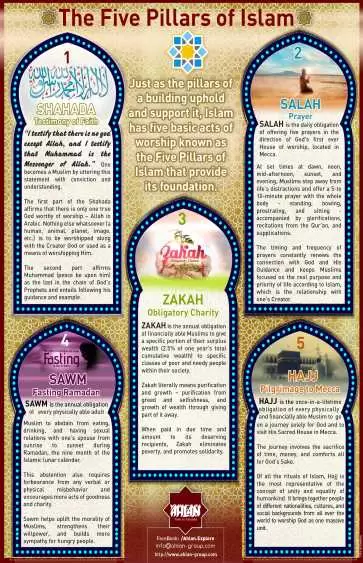
Qurbani is also part of the rites of Hajj (pilgrimage), where it becomes compulsory for pilgrims performing the journey. Hajj itself is obligatory once in a lifetime for every able adult Muslim who meets the physical and financial conditions.
Read also:What is Hajj
Timing of Sacrifice & How It Is Distributed
The Udhiyah (Qurbani) sacrifice is performed after the Eid prayer on the first day of Eid al-Adha (10th of Dhu al-Hijjah) and continues through the following three days (11th, 12th, and 13th of Dhu al-Hijjah) until the afternoon. It is part of the broader acts of worship connected to this blessed period.
Those who intend to offer a sacrifice are encouraged to enter the first ten days of Dhu al-Hijjah with a clear intention and devotion to Allah. During this time, they refrain from cutting their hair, nails, or skin until the sacrifice is completed, as a sign of dedication and submission.
After the sacrifice, the meat is traditionally distributed in a balanced and meaningful way. The Udhiyah is divided into three parts:
- One third for the family
- One third for relatives and friends
- One third for the poor and needy
If there is widespread poverty or need in the community, it is encouraged to increase the portion given in charity to help those in greater need.
This system reflects the spirit of Eid al-Adha—gratitude to Allah, self-discipline, and generosity toward others.
Types & Conditions of Sacrifice in Islam
In Islam, Qurbani (Udhiyah) is performed using specific types of animals that meet clear ethical and health standards. The sacrifice can only be from the following categories:
- Camel
- Cow (including buffalo)
- Sheep (including goats)
The animal must be healthy, well-fed, and free from defects or illness. It should not be too young or too old, ensuring it is fit for sacrifice and suitable for consumption. If the animal is female, it must not be pregnant.
Islam also sets minimum age requirements for each type of animal:
- Sheep/goats: at least 1 year old
- Cows/buffalo: at least 2 years old
- Camels: at least 5 years old
These conditions ensure that the sacrifice is performed in a lawful, humane, and proper manner, reflecting the Islamic principles of care, responsibility, and excellence (ihsan).
Read also:
Qurbani Rules for Husband and Wife
In Islam, Qurbani (Udhiyah) is a form of worship that can involve both individual and shared participation, depending on the type of animal being sacrificed.
A husband and wife may share in the reward of a single sacrifice, as the intention can include the whole household. In many cases, one sacrifice is offered on behalf of the family, and the reward is shared among them.
Regarding sharing the sacrifice itself, Islam allows it only in specific cases:
- A cow or camel can be shared among up to seven people, with each person contributing at least one-seventh.
- Sheep or goats cannot be physically shared; one animal counts as a single sacrifice for one person only. However, the reward can still include the whole family if intended as such.
It is also reported that Prophet Muhammad (peace be upon him) sacrificed on behalf of himself and his family, saying:
“In the name of Allah, O Allah, accept this sacrifice on behalf of Muhammad and the family of Muhammad and the Ummah of Muhammad.”
[Sahih Muslim]
This shows that the intention of Qurbani can extend beyond the individual, bringing blessings and reward to the entire household while maintaining the proper Islamic rulings of sacrifice.
Hadith About Sacrifice in Islam
Animal sacrifice in Islam during Eid al-Adha is not only an act of worship performed in the most noble and merciful way, but it is also a season where care for the poor and needy becomes central. It reminds Muslims that worship is deeply connected to compassion and social responsibility.
The Prophet Muhammad (peace be upon him) emphasized the importance of caring for others, saying:
“He who eats to satisfaction while his neighbour is hungry is not a believer.”
[Narrated by Al-Bayhaqi, Al-Sunan Al-Kubra, Vol. 10, Pg. 3, Hadith #19452]
This highlights that true faith includes ensuring that others are not left in need, especially when one has abundance.
In another narration, Allah emphasizes caring for His creation through the rights of the poor:
“I asked you for food and you did not feed Me.”
The person will say: “Lord, how could I feed You when You are the Lord of the universe?”
Allah will say: “Did you not know that My servant so-and-so asked you for food and you did not feed him? Had you fed him, you would have found that with Me…”[Reported by Imam Bukhari in Al-Adab Al-Mufrad, Hadith #517]
These narrations show that the spirit of sacrifice in Islam goes beyond the ritual itself—it extends to sharing food, supporting the poor, and fulfilling the rights of others as an act of devotion to Allah.
Read also:Is the kaaba an idol?
Conclusion
To conclude, Qurbani in Islam is far more than the act of sacrificing an animal. It is a profound symbol of faith, where Muslims demonstrate submission to Allah, follow the legacy of Prophet Ibrahim, and express gratitude through generosity and sharing. Qurbani strengthens community bonds, supports those in need, and reminds believers that true devotion is shown through obedience, sincerity, and compassion.
The concept of sacrifice is applicable to the wide scope of our lives. Have you tried to exert some effort leaving your comfort zone, to reach the truth? Start a conversation with our team right now for extra discussion about any question related to Islam!