
Have you ever been stuck with a bad habit that kept you chained as if in a prison? A cup of coffee that gives you a terrible headache if missed, a constant craving for sugar, or struggles with anger, ego, and intolerance—these are just a few examples of habits that control us instead of us controlling them. Ramadan habits offer a unique solution.
Fasting for 30 days teaches you to overcome desires, cleanse your body and soul, and regain control over what holds you back. In this guide, we will explore good habits to adopt, bad habits to avoid, and how to maintain these practices after Ramadan, so the benefits last year-round and make each Ramadan even more fulfilling.
Ramadan Good Habits: How to Survive Fasting in Ramadan
Ramadan is a unique opportunity to break bad habits and build healthy, lasting routines. Fasting from dawn to sunset—sometimes up to 16 hours—challenges your patience with hunger, thirst, anger, pride, ego, smoking, and other negative tendencies. To make the most of Ramadan, it’s advised to replace bad habits with positive ones in three key areas: food, body, and worship.
Healthy Food Habits
- Eat balanced meals in moderation: The Prophet Muhammad ﷺ said:
“No man fills a container worse than his stomach. A few morsels that keep his back upright are sufficient for him. If he has to, then he should keep one-third for food, one-third for drink and one-third for his breathing.”
(At-Tirmidhi, Hadith Hasan) - Avoid excessive caffeine or sugary drinks, and prioritize water for hydration.
- Focus on manners and self-restraint: Fasting is not just about food. The Prophet ﷺ said:
“Whoever does not give up forged speech and evil actions, Allah is not in need of his leaving his food and drink.” [Sahih Al-Bukhari] - Include nutritious foods rich in fiber, protein, and slow-digesting carbs to maintain energy throughout the day.
- Exercise regularly: Even light stretching or a 30-minute walk improves circulation and energy levels.
- Prioritize quality sleep: Aim for deep, restorative sleep by avoiding screens before bedtime and keeping a consistent schedule.
- Stay Hydrated: Drink plenty of water during Suhoor (pre-dawn meal) and Iftar (breaking fast) to maintain energy and prevent dehydration.
- Adjust Your Habits: Gradually reduce caffeine, sugar, and late-night meals before Ramadan to help your body adapt.
- Eat Nutritious Meals: Focus on balanced Suhoor and Iftar meals rich in fiber, protein, and slow-digesting carbohydrates to sustain energy.
- Rest and Pace Yourself: Get adequate sleep and avoid strenuous activities during fasting hours.
Worship Habits
- Strengthen your acts of worship: Focus on praying on time, reading and reflecting on the Quran, fasting properly, and giving charity.
- Self-assessment: Identify areas where you can improve spiritually and make them part of your daily Ramadan routine.
Thus, by adopting these good habits, you can transform your life, maintain discipline, and carry these routines beyond Ramadan.
For more about eating rules and good recommended routines, read:
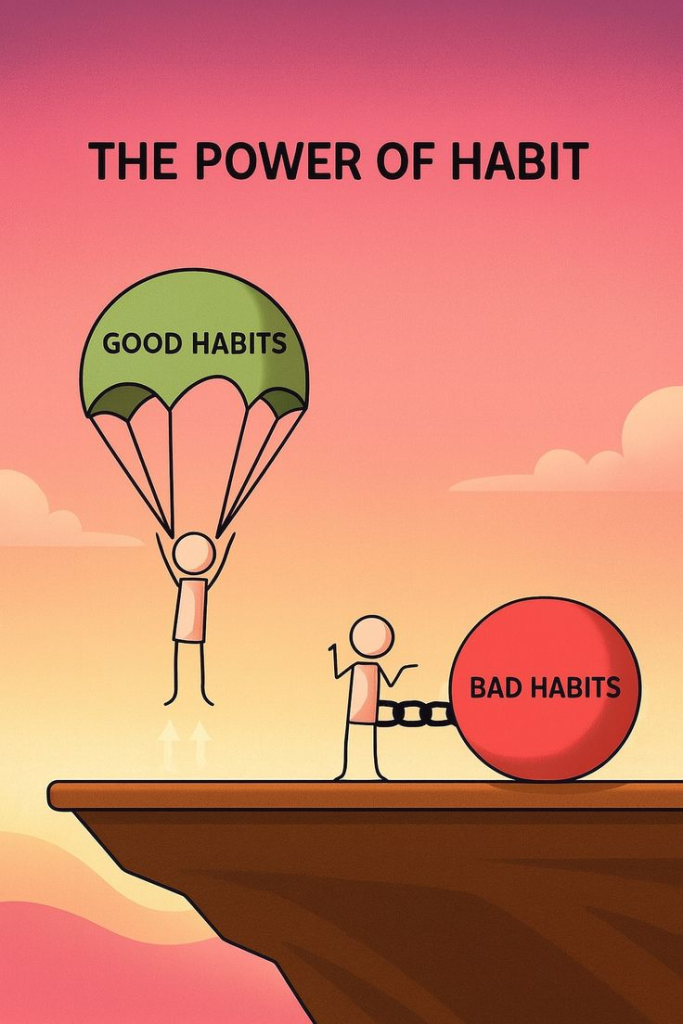
Ramadan Bad Habits: What Can Hinder Your Fasting
The quality of your fasting and overall Ramadan experience depends heavily on your daily habits. Certain behaviors can reduce the spiritual and physical benefits of fasting, but recognizing and adjusting them can lead to personal transformation.
- Unhealthy food choices: Consuming excessive junk, fried, or processed foods forces your body to work harder to digest, leaving you tired and sluggish while fasting.
- Caffeine and smoking: High caffeine intake may give a temporary boost but often leads to headaches and cravings during fasting. Smokers experience similar fatigue. By reducing unhealthy food and caffeine intake, your body adapts, feels lighter, and fasting becomes easier, bringing a sense of peace and transformation.
As one fasting Muslim shared: “By the 6th day of fasting, you start feeling a type of uprising inside you… it’s the freedom!”
- Lack of movement: Not exercising or staying active reduces the energy your body can produce from healthy food and fasting.
- Poor sleep quality: Sleeping too much or too little can cause headaches, fatigue, and decreased alertness during the day.
Read also:
Customs and Traditions of Ramadan
Ramadan is a unique month for Muslims. You can see around the world, muslims are almost following the same main customs and traditions. Ramadan is a unique month during which Muslims worldwide observe customs and traditions that shape daily life and spiritual practice. These habits are rooted in faith, community, and self-discipline, making the month a period of personal and collective growth.
Pre-Dawn Meal (Suhoor) – Starting the Day Right
One key Ramadan habit is waking up early for Suhoor, the pre-dawn meal. The Prophet Muhammad ﷺ advised:
“Take a meal a little before dawn, for there is a blessing in taking a meal at that time.”
This habit provides energy for the day of fasting and is considered spiritually rewarding.
Breaking the Fast Together (Iftar Gatherings)
Another important habit is sharing Iftar meals with family, friends, and neighbors. These gatherings foster community bonding, generosity, and social connection, turning the act of breaking the fast into a meaningful social tradition.
Live Nights for voluntary Prayers (Taraweeh)
Performing Taraweeh prayers at night is a longstanding tradition. Congregational prayers during Ramadan encourage mindfulness, discipline, and a deeper sense of spiritual connection while creating shared experiences within the community.
Read also:
After Ramadan Habits: Maintaining the Spiritual and Healthy Routines
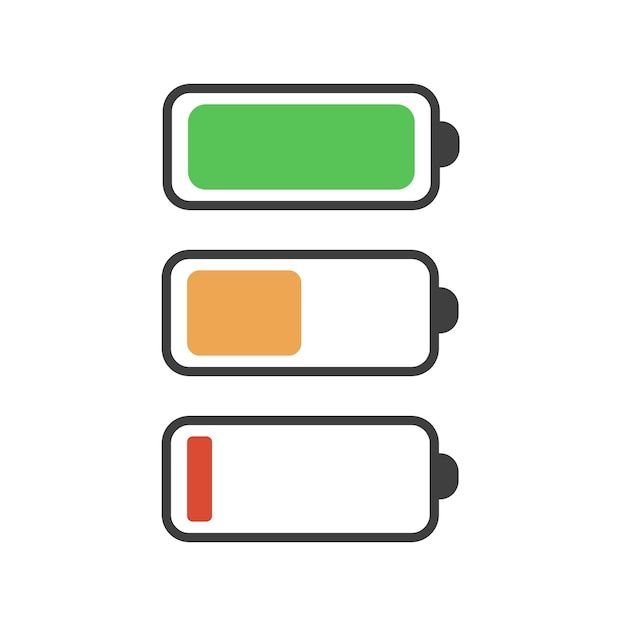
The good habits built during Ramadan are meant to last beyond the month. While the Islamic calendar does not begin with Ramadan, it serves as a powerful booster for the rest of the year, like charging your spiritual and personal “battery.”
- Continue healthy habits: Maintain the nutritious eating, proper sleep, and exercise routines developed during Ramadan.
- Sustain spiritual practices: Keep up regular prayers, Quran reflection, charity, and self-discipline.
- Avoid slipping into old habits: Just because Ramadan ends doesn’t mean returning to previous unhealthy routines. Consistency makes the next Ramadan easier and more rewarding.
Thus, Ramadan is not just a one-month reset; it’s a launchpad for year-round self-improvement, spiritual growth, and healthier daily habits.
Read also:
Conclusion
Ramadan habits are more than temporary routines—they are a roadmap to self-discipline, spiritual growth, and healthier living. By breaking bad habits, adopting good ones, and carrying these practices beyond Ramadan, you can maintain physical, mental, and spiritual balance all year.
Key Takeaways:
- Break bad habits: Reduce sugar, caffeine, anger, and ego-driven behavior.
- Build good habits: Eat healthily, exercise, sleep well, and strengthen worship practices.
- Carry forward: Continue these routines after Ramadan to make the next month even more rewarding.
Ramadan is the beginning of a new account of deeds for a new year that encourages us to do more and achieve more! Curious to know more about Ramadan and Islam-related topics?! Subscribe to the Explore-Islam newsletter for more updated topics!